
Was einen guten Krav Maga Instructor ausmacht
Der nachfolgende Text wurde vom geschätzten Kollegen Albert Timen verfasst. Wir waren nicht in der Lage, ihn so gut wie er inhaltlich ist, in die deutsche Sprache zu übersetzen. Daher hier die Originalfassung.
What it really means to be a good instructor
Imagine how you would feel if someone you trained was brutally raped or murdered because you did not prepare them to the best of your ability for real-life violence.
Imagine you were to teach someone who would knowingly go off and face a life-or-death confrontation that would affect them, their families, and their loved ones for the rest of their lives.
Think about the humiliation, the violation of trust, the fear, and the sense of helplessness that they carry with them after not having been able to defend themselves.
Suddenly, it wouldn’t matter what level of instructorship you were. It wouldn’t matter that what you learned came from the Special Forces.
It wouldn’t matter how hard you punched or kicked. It wouldn’t matter how tough you were, or how many competitions or street fights you won.
Nothing else would matter but the fact that you did not do the right thing to guide that student out of a violent confrontation.
Unfortunately, this is so often forgotten by us as self-defense instructors. We train. We hone our bodies to high levels of pain and endurance.
We get certificates, belts, and titles. We pat ourselves on the back, and our students admire us.
The grim reality is that no amount of personal accolades will help our students survive on the street or on the battlefield.
It doesn’t matter how fast we are, how many moves we know, or how many boards we can break.
It doesn’t matter what we can do, ourselves, if they are the ones attacked.
It’s about what they can do.
We, as instructors, have an incredible responsibility to teach people how to defend themselves and survive a confrontation… even if they are not as fast, strong, or tough as we are.
It is a huge responsibility, and one that you should take very seriously. We are dealing with the safety of other people’s lives.
We need to think about this the next time we pat ourselves on the back for having 1,000 students training in a huge facility.
We can never be complacent and must continually learn how to teach.
We need to study the behavioral and psychological aspects of a confrontation.
We need to study human anatomy, physiology, and motor learning as they apply to combat.
We need to be able to say that we have worked hard to make students understand the mentality of survival and make it a part of their lives.
If you are willing to do these things, you may be on the path to being a good Instructor.
Skip your ego.
Never lose sight of the fact that it’s not about us.
It’s all about them.
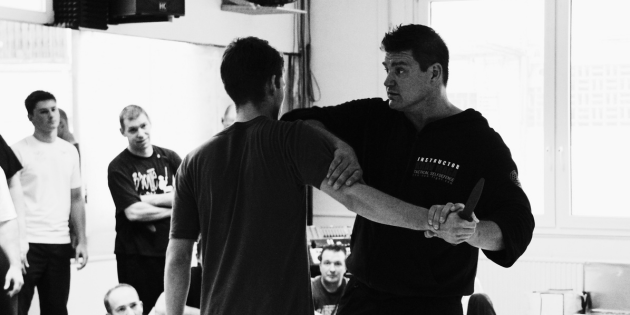
YCF KRAV MAGA INSTRUCTOR PROGRAM
Dein nächster Schritt. Werde qualifizierter Trainer / qualifizierte Trainerin für Selbstverteidigung. Krav Maga noch besser verstehen und Menschen stark machen. Basis-Ausbildung in nur 3 Tagen. Einstieg jederzeit möglich.

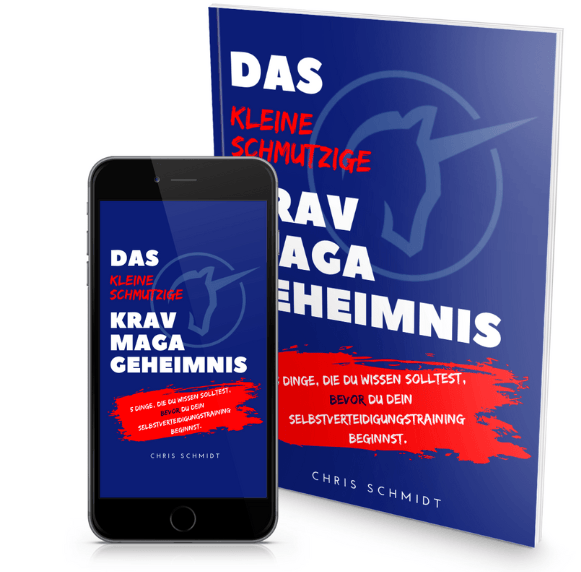
DAS KLEINE SCHMUTZIGE KRAV MAGA GEHEIMNIS
5 Dinge, die du wissen solltest, BEVOR du dein Selbstverteidigungstraining beginnst.
© 2026 YCF
All rights reserved.